
Our story
How Coconut Coir Is Made in Bến Tre, Vietnam
Knowing where a growing medium comes from helps you choose the right one for your plants.
Our coconut coir comes from Bến Tre, a province in southern Vietnam known for its coconut-growing communities. Our workshop has worked with coconut-based materials for more than 20 years, combining local experience with a practical production process.
Follow the journey from raw coconut husks to the coir in your pots.
Watch a minute in the workshop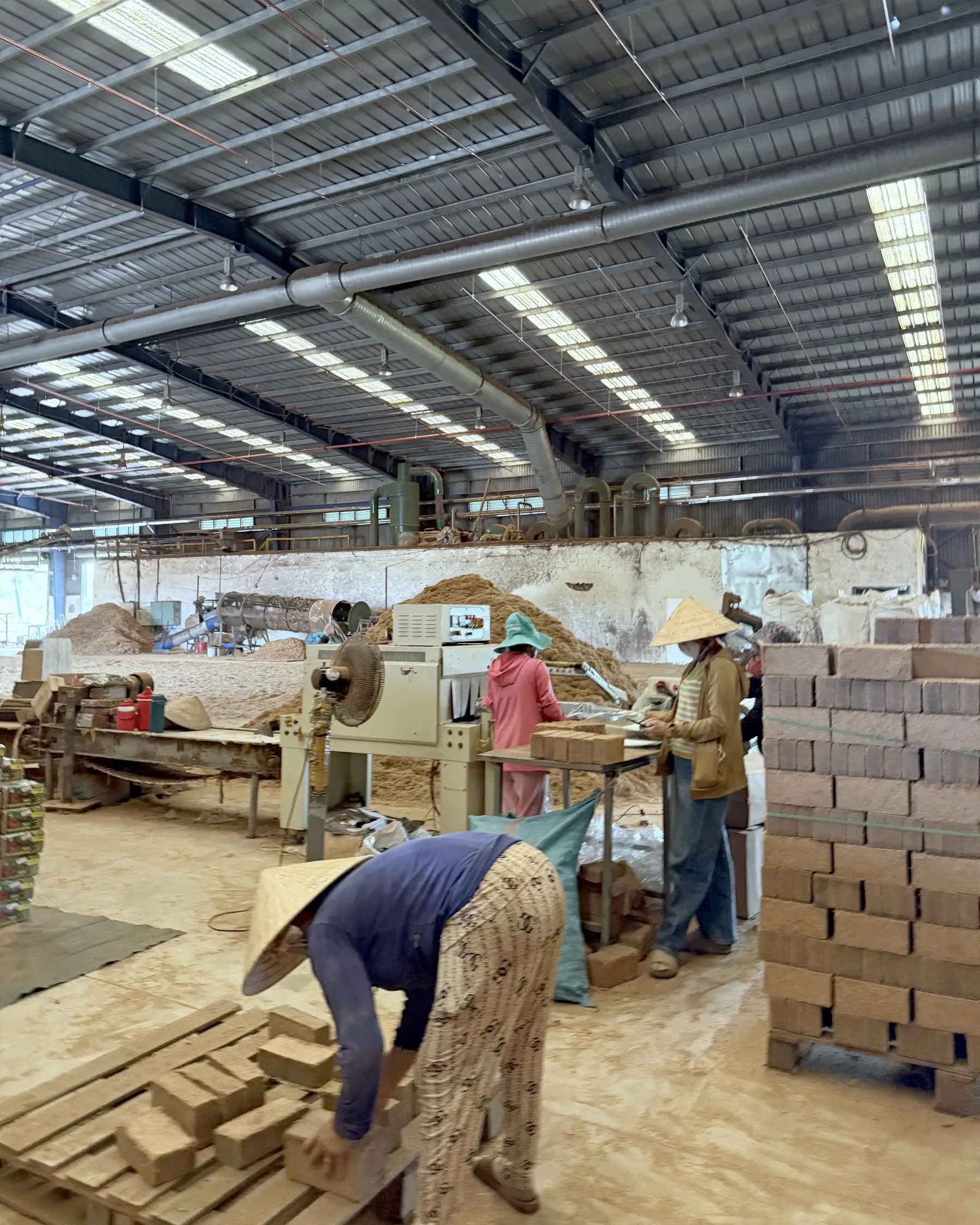
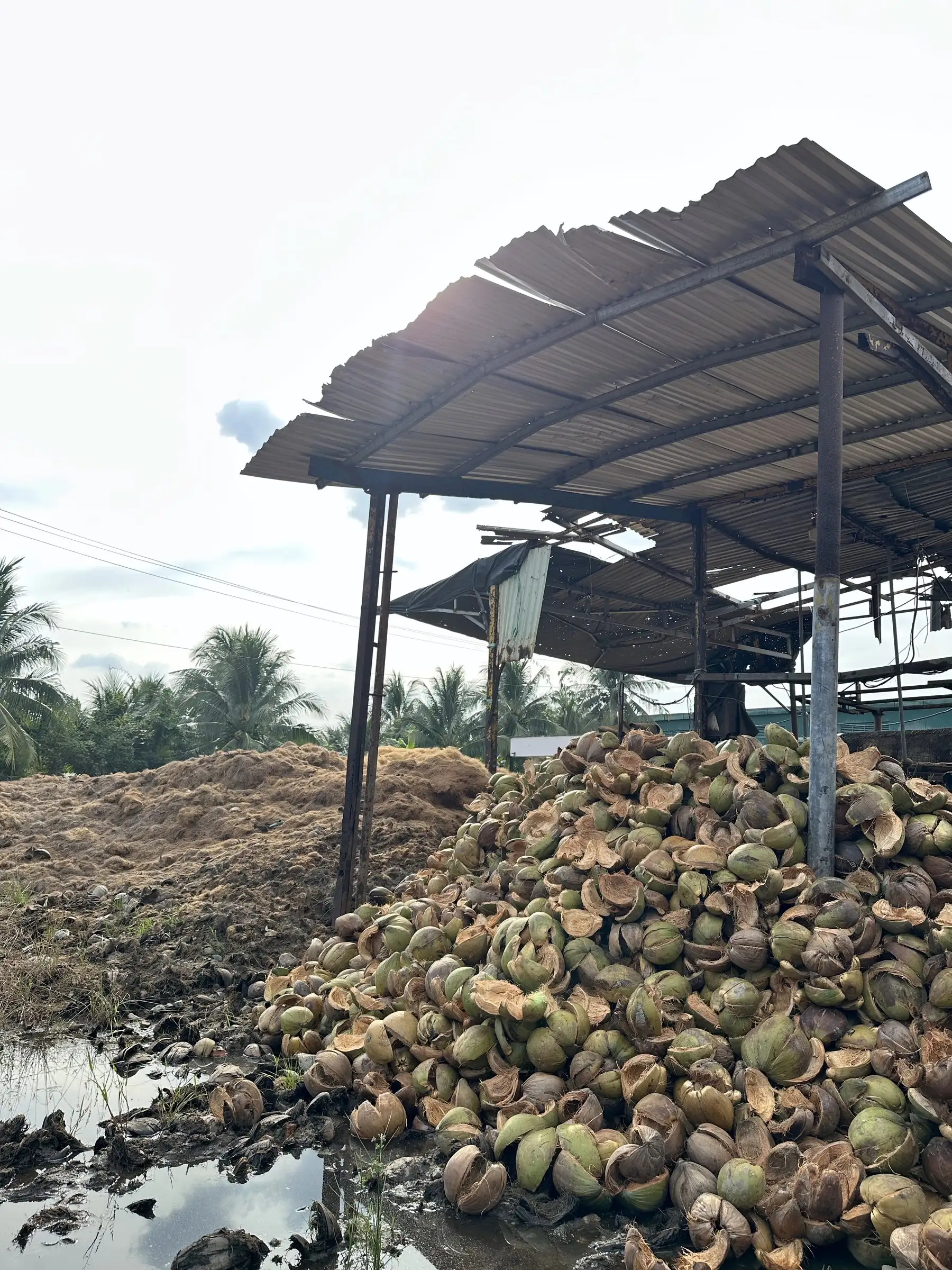
It starts with coconut husks
Coconut coir is made from the fibrous outer husk of the coconut, the thick layer around the shell.
At our workshop, the husk is processed into two growing materials. Both follow the same process. The difference is size: coconut coir is ground fine, and coco chips are cut into chunky pieces.
A minute in the workshop
A short film shot at our workshop in Bến Tre. It has no sound.
What you'll see: the drying yard, raw coconut husks, a screening drum sorting the material, local workers at the presses, and finished bricks in the warehouse.
How we process coconut coir
These are the main stages from husk to brick. Coir and chips go through the same steps; how each step is handled can vary with the material.
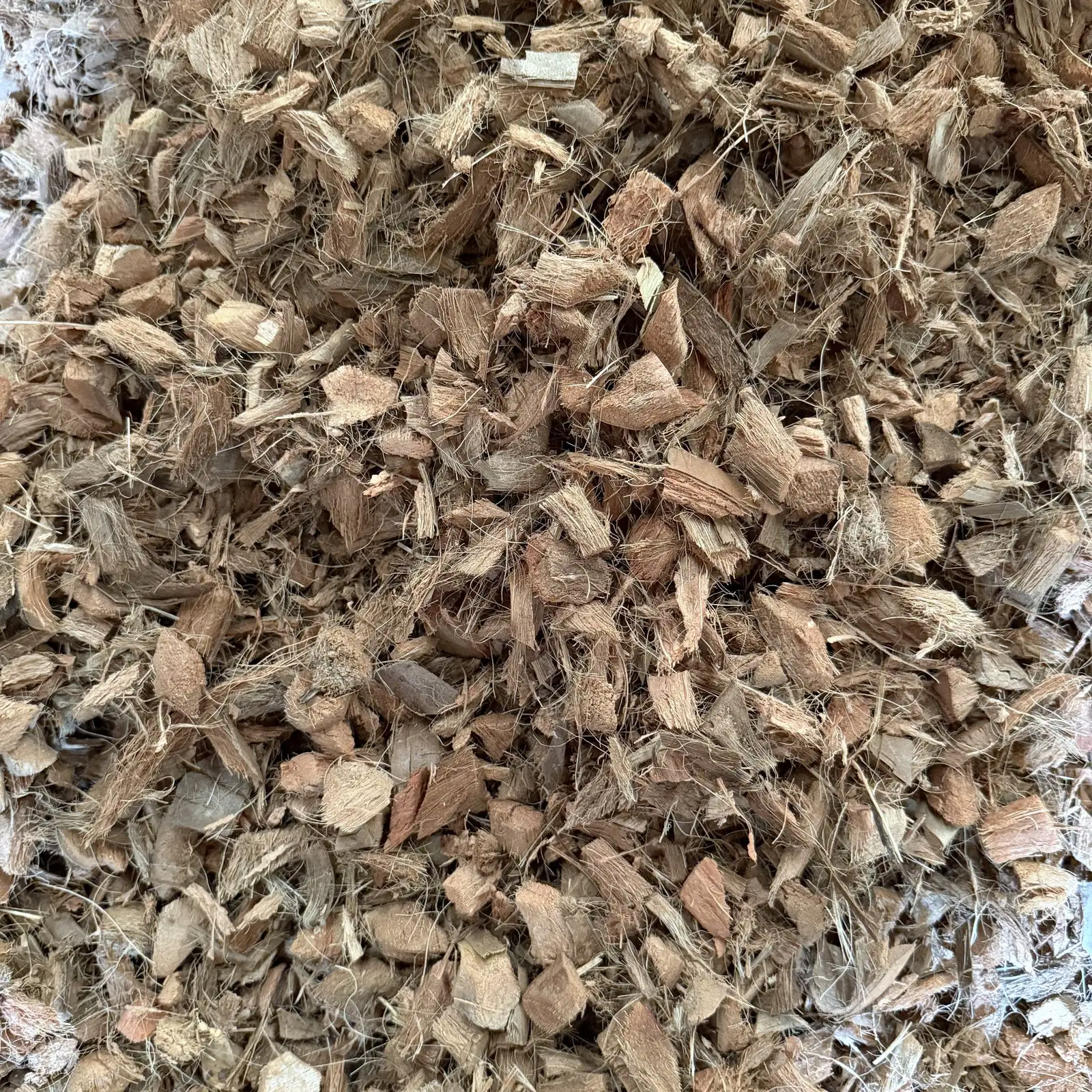
Step 1: Cutting and grinding
Machines cut the husks into smaller pieces. For coco chips, the husk is cut into chunks. For coconut coir, it is ground into fine material.
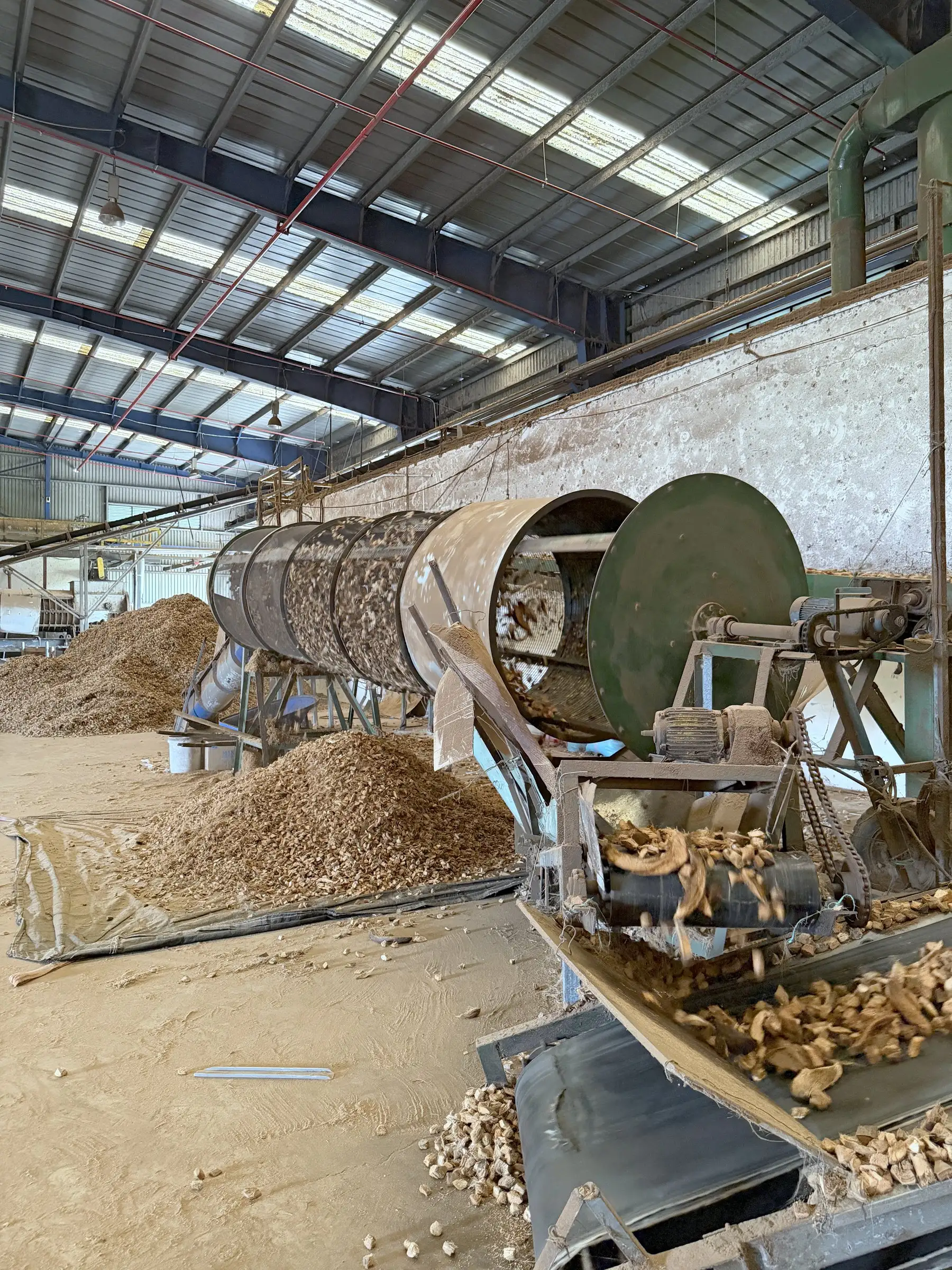
Step 2: Screening and washing
Screening separates the material by size. It is then thoroughly washed with water to remove dust and fine residue. No chemical treatment agents are added.
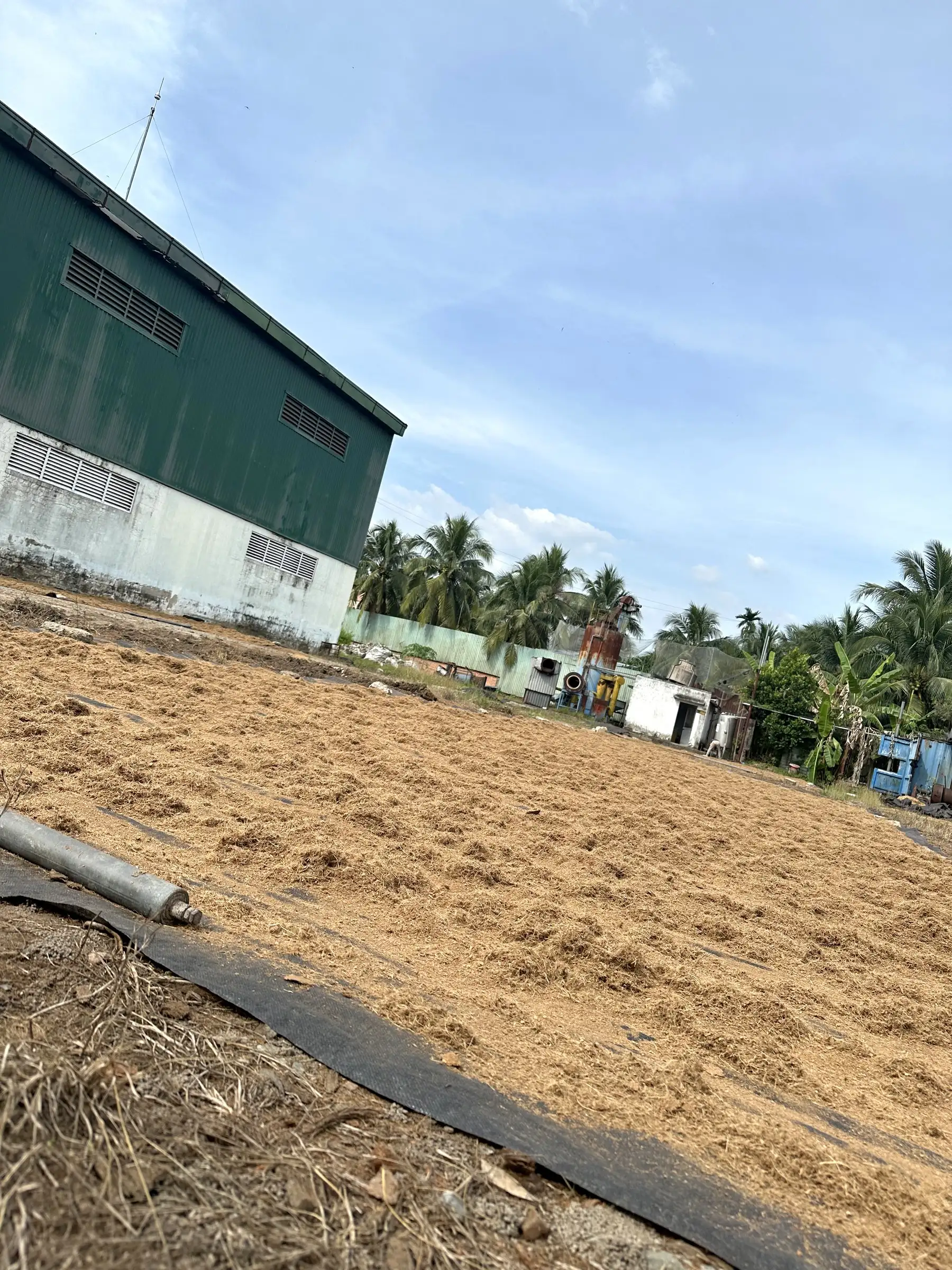
Step 3: Drying
The washed material is dried before it is compressed.
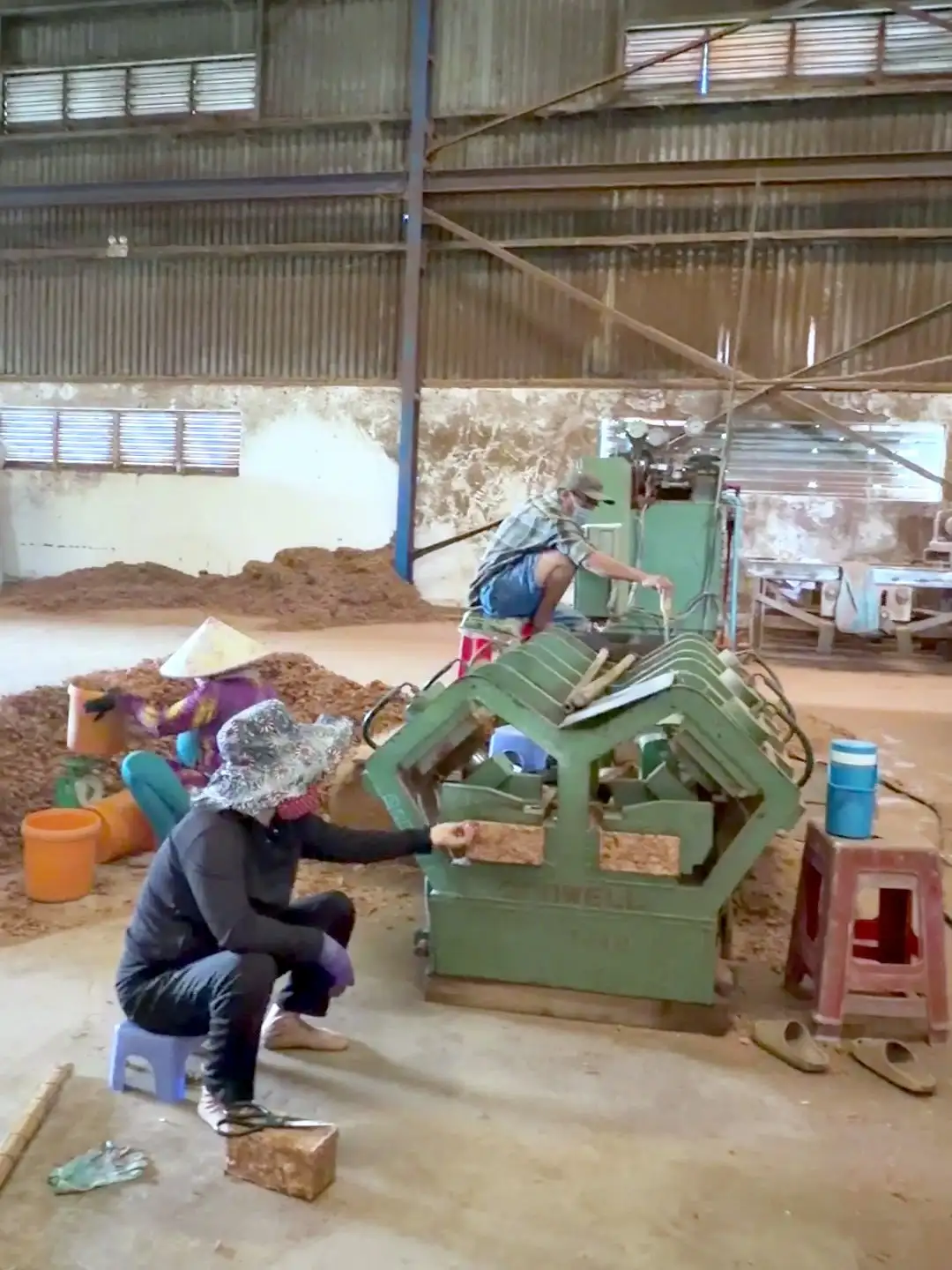
Step 4: Compressing into bricks
The dried coir and chips are pressed into compact bricks and blocks that are easy to pack, store and ship.
The long fibers screened out of the coir go to other makers for products like mats and mattresses. NURTARA doesn't sell them. When you're ready to use a brick, follow the instructions for your product, or see how to expand a coco coir brick.
Local experience from Bến Tre
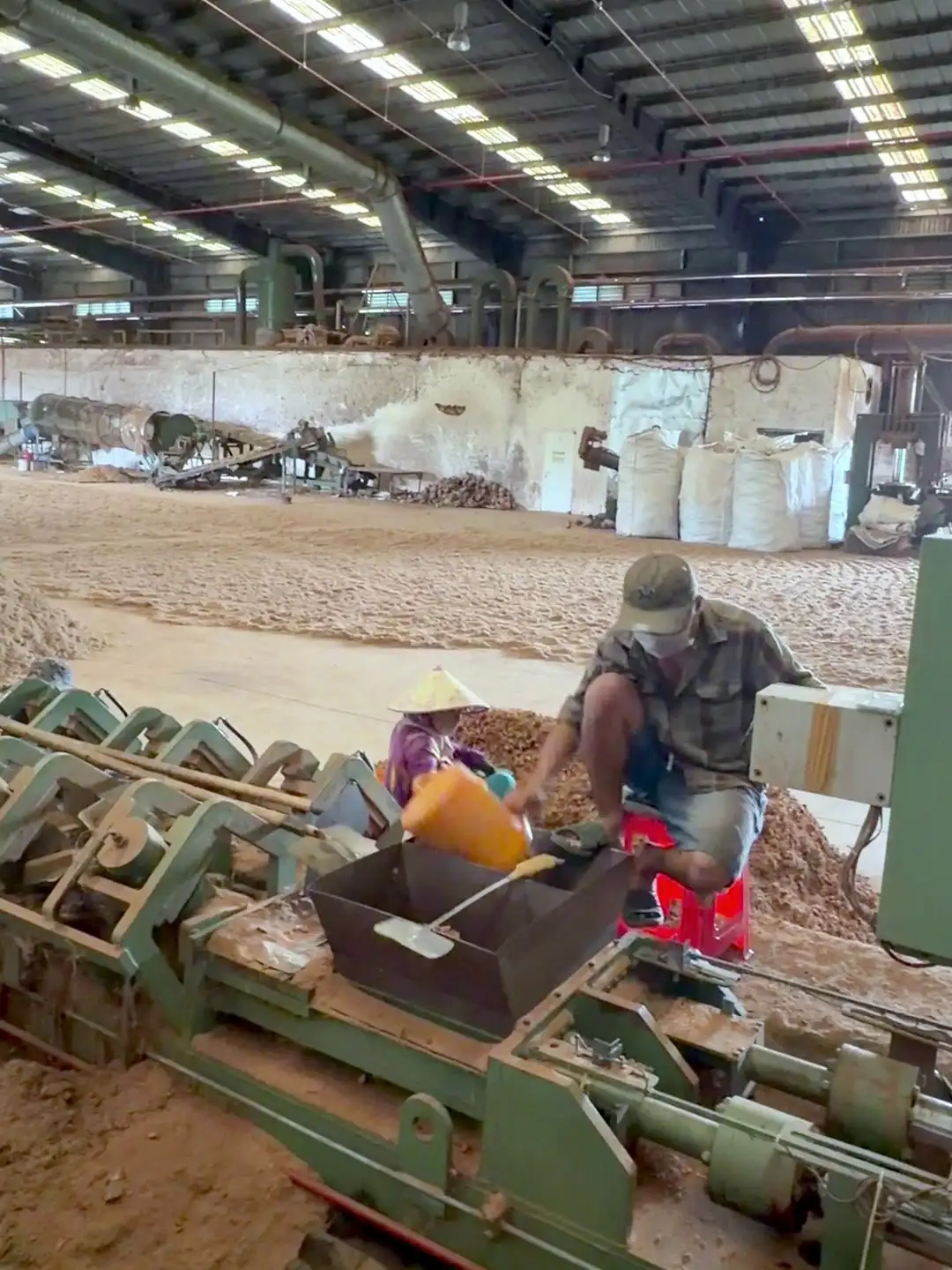
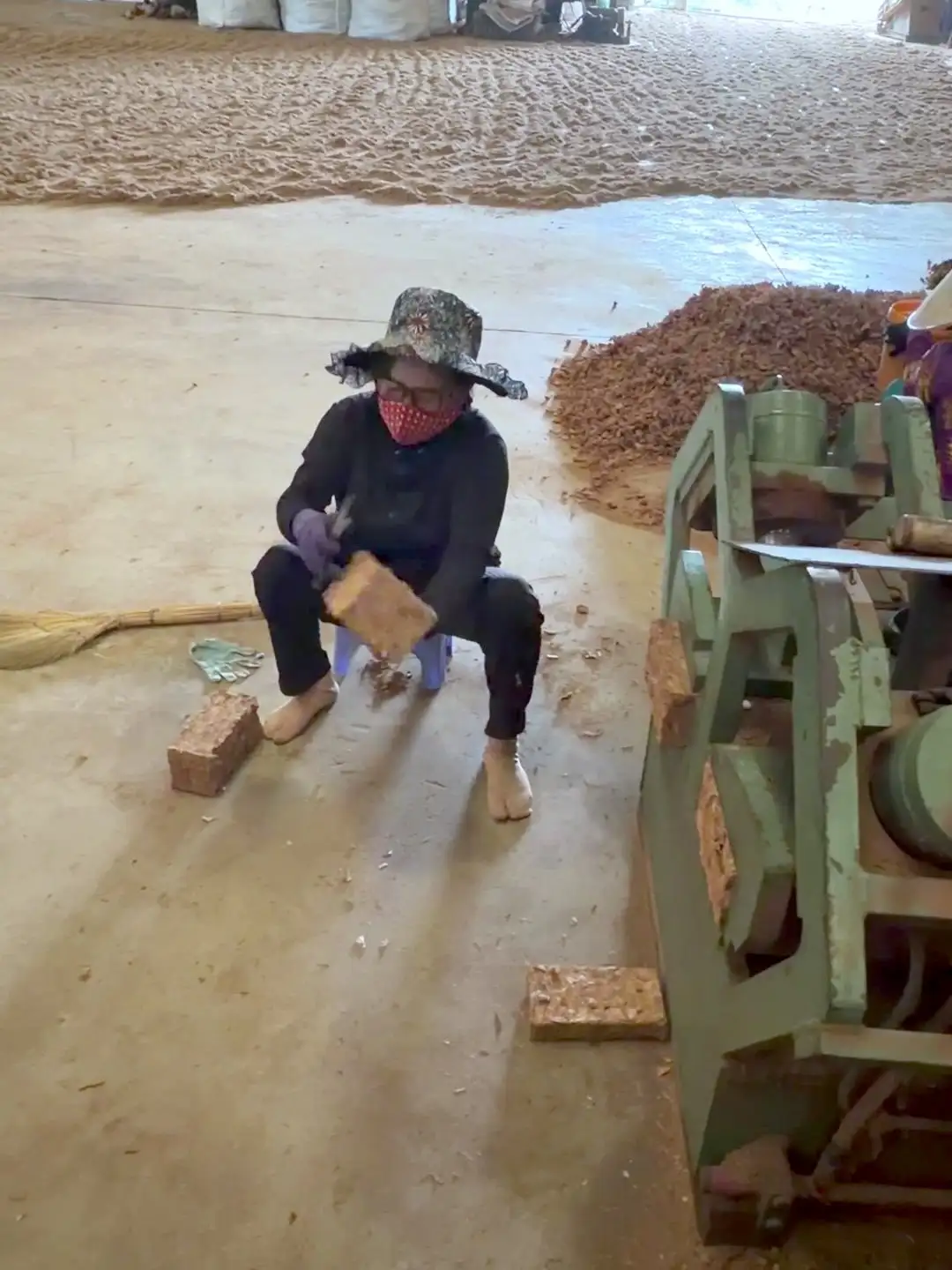
Our workshop is based in Bến Tre, and our team is made up of local workers who bring their skills and experience to every stage of production.
With more than 20 years of working with coconut-based materials, the workshop has built practical knowledge of how to turn coconut husks into usable products.
From preparing raw husks to handling finished bricks, people remain at the heart of the work behind each product.
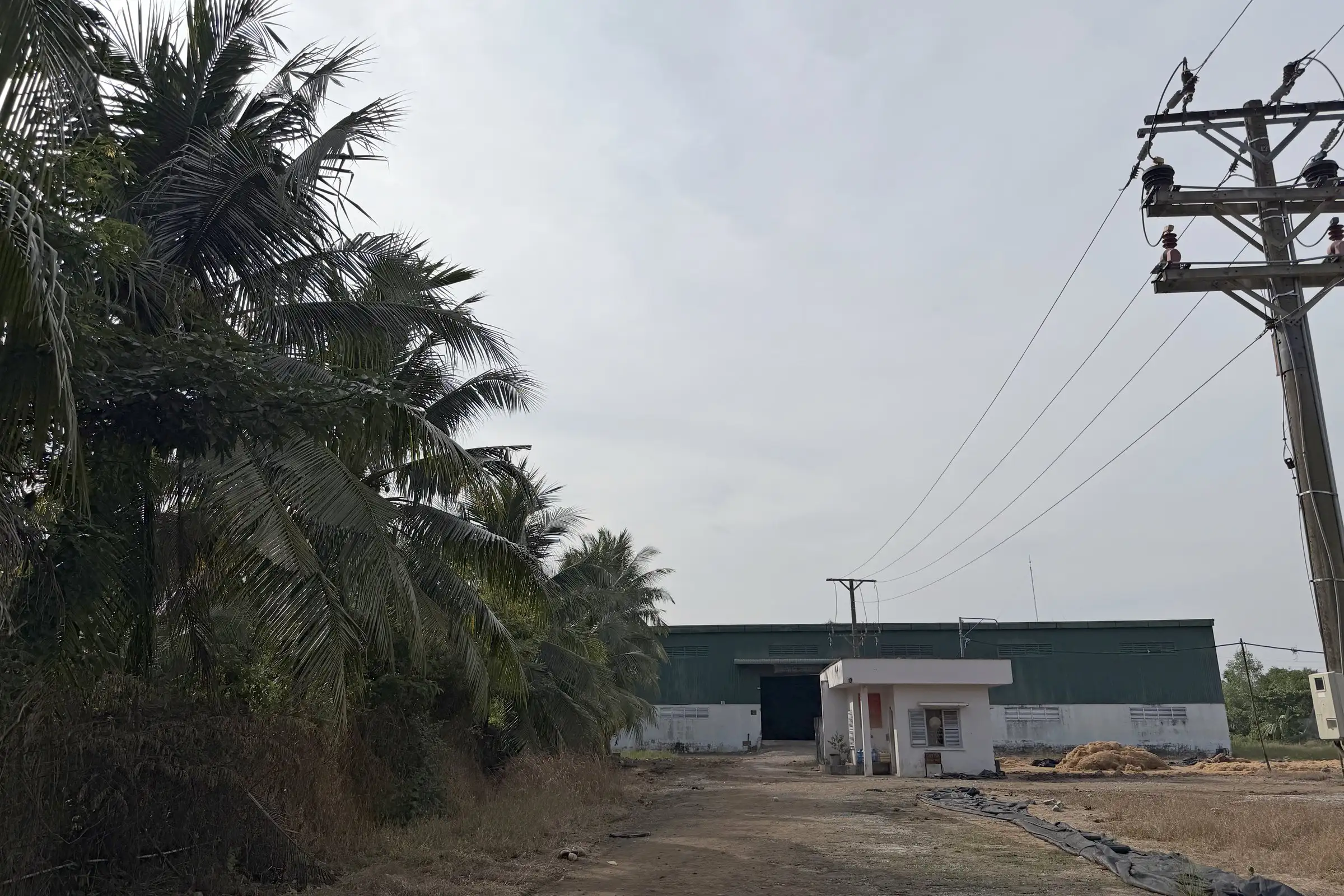
From Bến Tre to your growing space
The right material depends on your plant, your growing setup and how you water. Neither is a complete fertilizer, so plan for nutrients too.
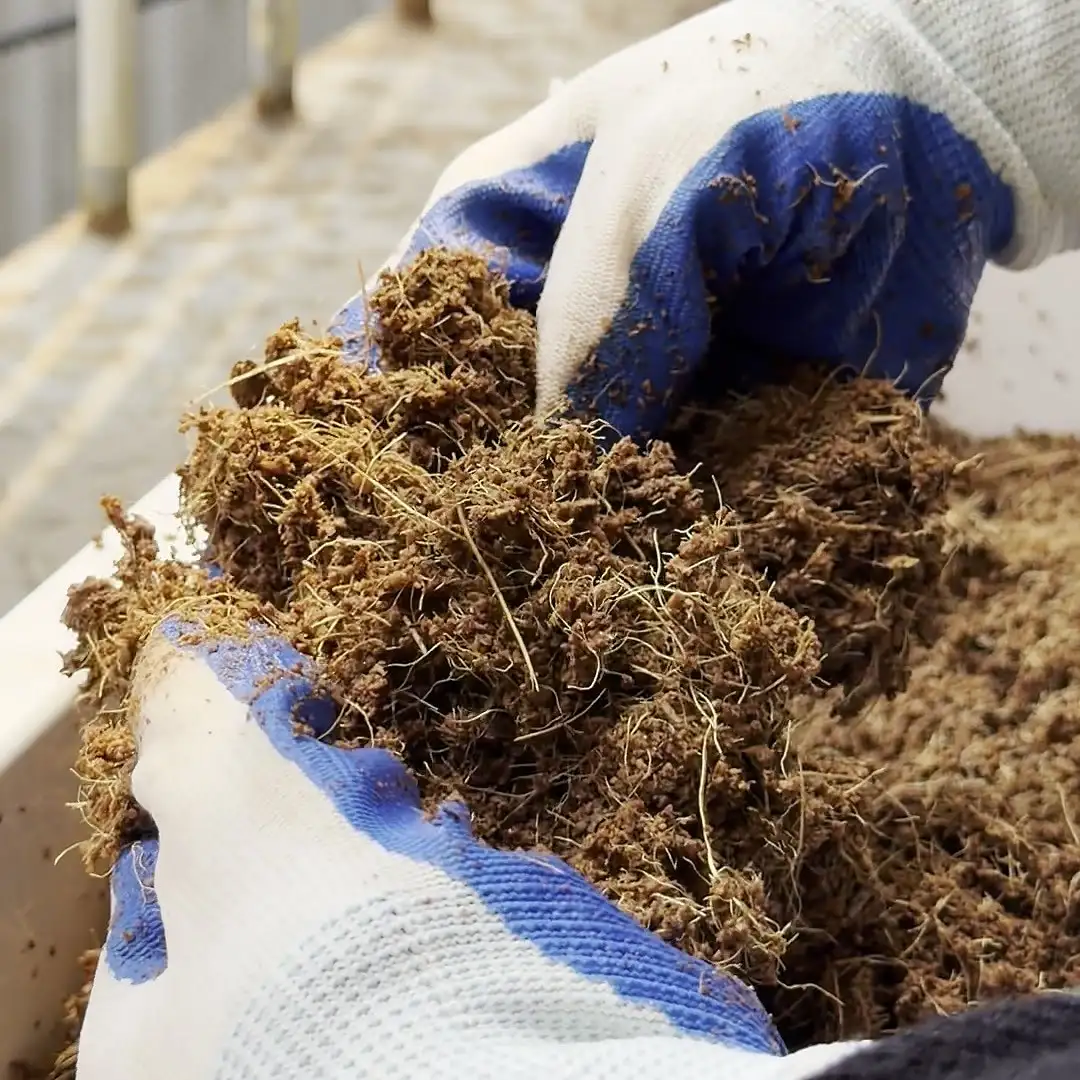
Fine coconut coir
Commonly used as the moisture-retaining part of a growing mix, for houseplants, seed starting and containers.
See NURTARA Coconut Coir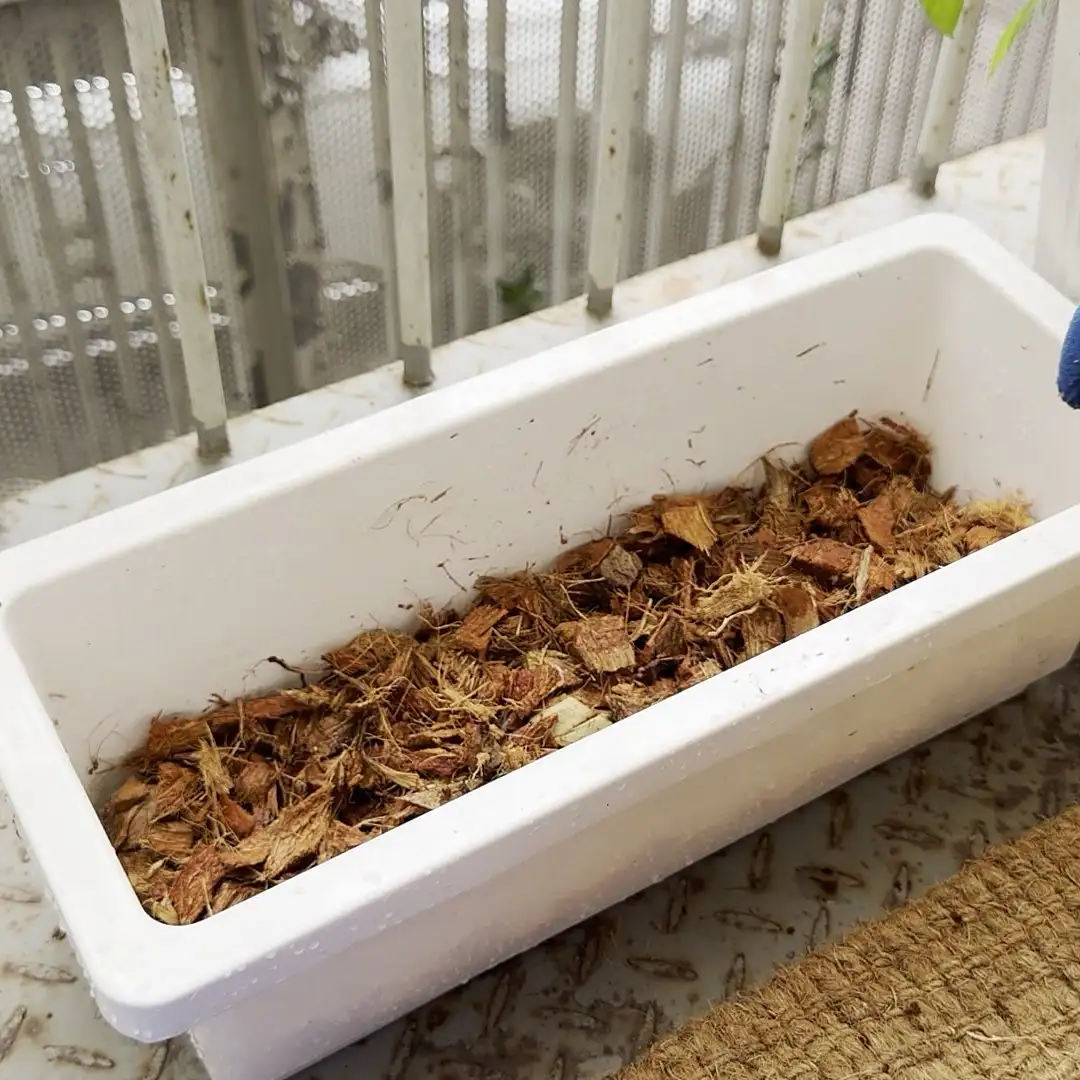
Coco chips
A coarser texture with larger air spaces, for plants that need a chunkier medium, such as many orchids.
See NURTARA Coconut Chips
Not sure which to choose? Read coconut coir vs. coco chips.
Questions about how our coir is made
Where is NURTARA coconut coir made?
In our workshop in Bến Tre, a coconut-growing province in southern Vietnam. NURTARA products are sold in the United States on Amazon.
How is coconut coir made?
Coconut husks are cut and ground into fine material, screened by size, thoroughly washed with water, dried, and then compressed into bricks or blocks.
Is coconut coir made from coconut husks?
Yes. Coconut coir comes from the fibrous outer husk of the coconut. Our coir and coco chips come from the same husk: coir is ground fine, and chips are cut into pieces.
Are chemicals added during the production process?
Our workshop washes the material with water and does not add chemical treatment agents during processing.
How do I prepare a compressed coco coir brick?
Place the brick in a container with room to expand, add water gradually, and break it apart once it softens. Always follow the instructions for your specific product. Read the step-by-step guide.
What is the difference between coconut coir and coco chips?
Fine coconut coir holds moisture and blends easily into potting mixes. Coco chips are chunkier and leave larger air spaces, which suits plants that need a coarse medium, such as many orchids. Compare coir and chips.
Explore NURTARA coconut growing media
Discover NURTARA coconut coir and coco chips for your gardening projects.
Shop NURTARA on Amazon (opens Amazon in a new tab)