
How-to
How to Expand a Coco Coir Brick in 4 Easy Steps
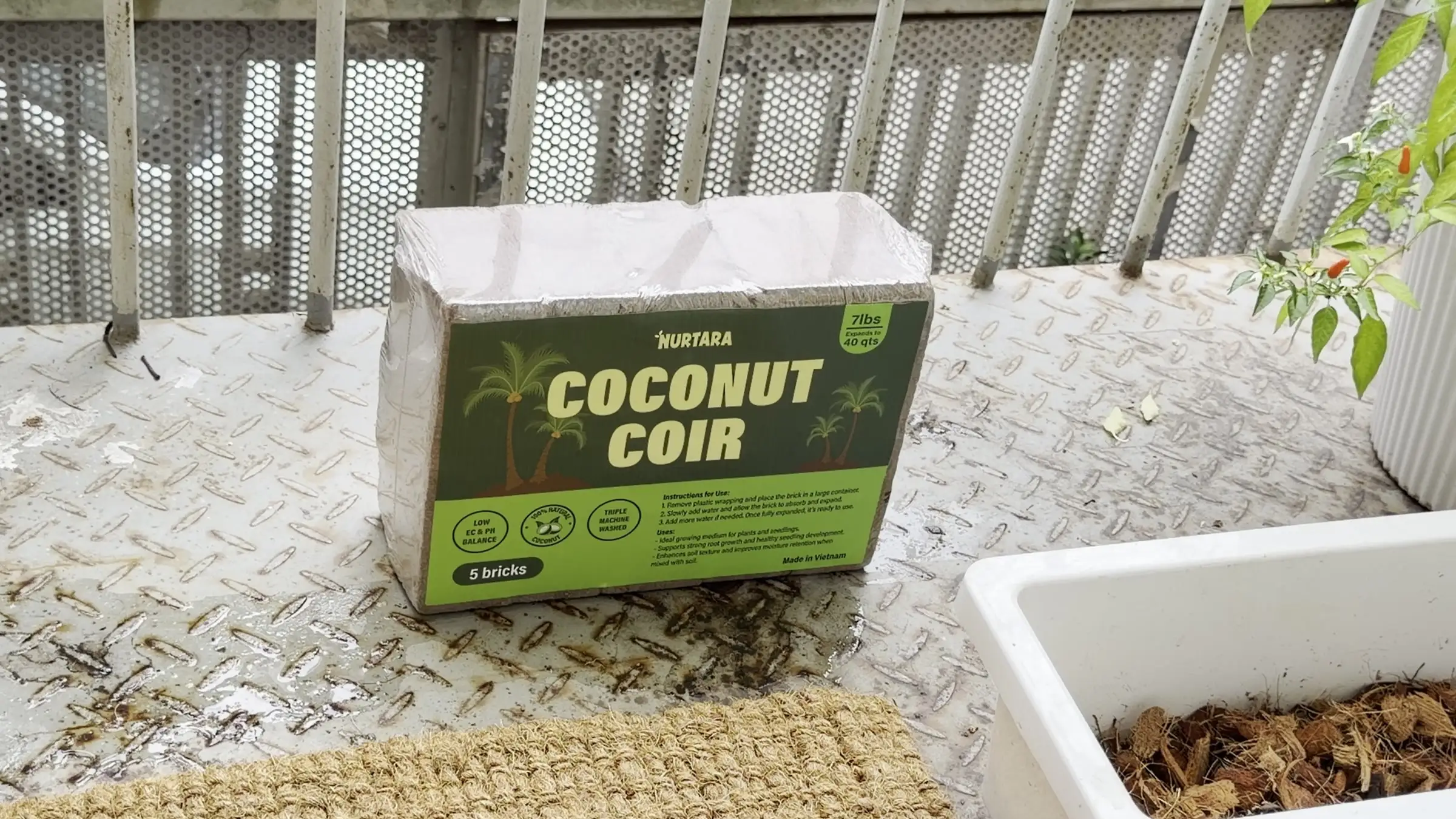
A compressed coco coir brick may look small and hard, but adding water helps it loosen into a fluffy growing medium.
Whether you’re preparing a potting mix for houseplants or getting ready for your next gardening project, the process is straightforward. The key is to use a suitable container and add water gradually.
What you’ll need
Before you start, gather:
- A compressed coco coir brick
- A bucket or large container
- Clean water
- A garden trowel or gloved hands
Choose a container with enough room for the expanded coir. A small bowl may overflow as the brick absorbs water and grows in volume. For reference, one NURTARA coir brick (about 1.4 lb) expands to roughly 8 quarts.
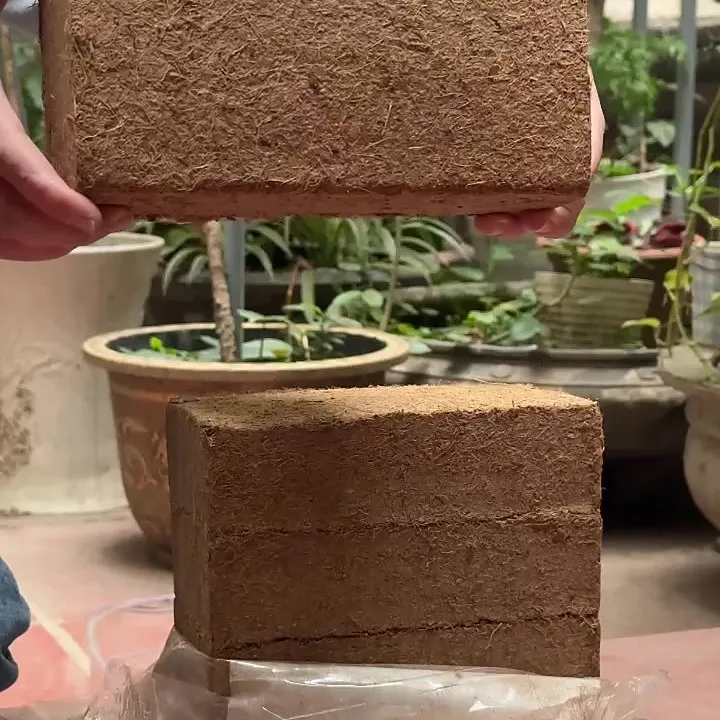
Step 1: Place the brick in a container
Put the compressed brick into your bucket or container.
If you’re preparing a large brick, make sure the container is sturdy and spacious enough to hold the expanded material.
Check the package instructions for any product-specific preparation guidance.
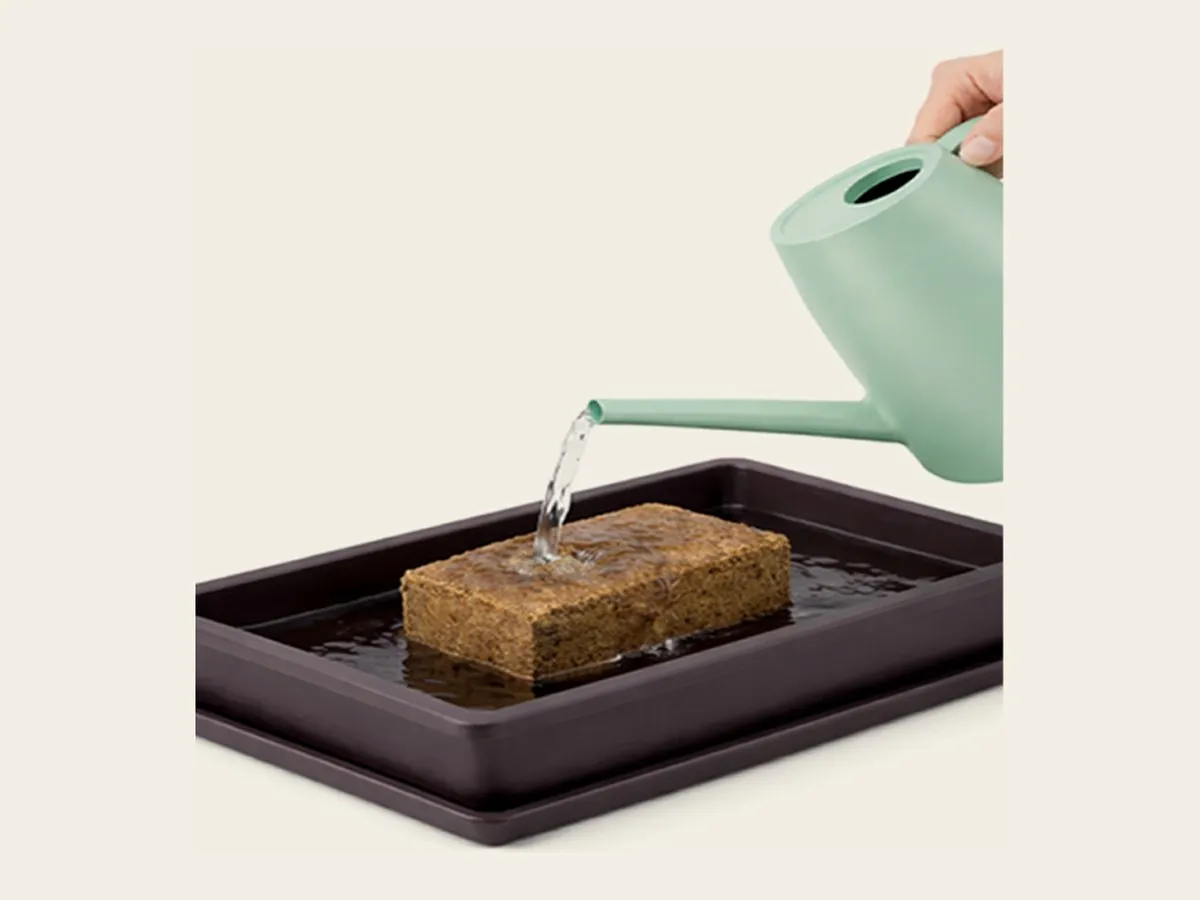
Step 2: Add water gradually
Pour water over the brick according to the product instructions.
Allow the water to soak in rather than adding a large amount all at once. Some bricks soften quickly, while tightly compressed blocks may need more time.
If the center remains hard, add a little more water and give it additional time to absorb.
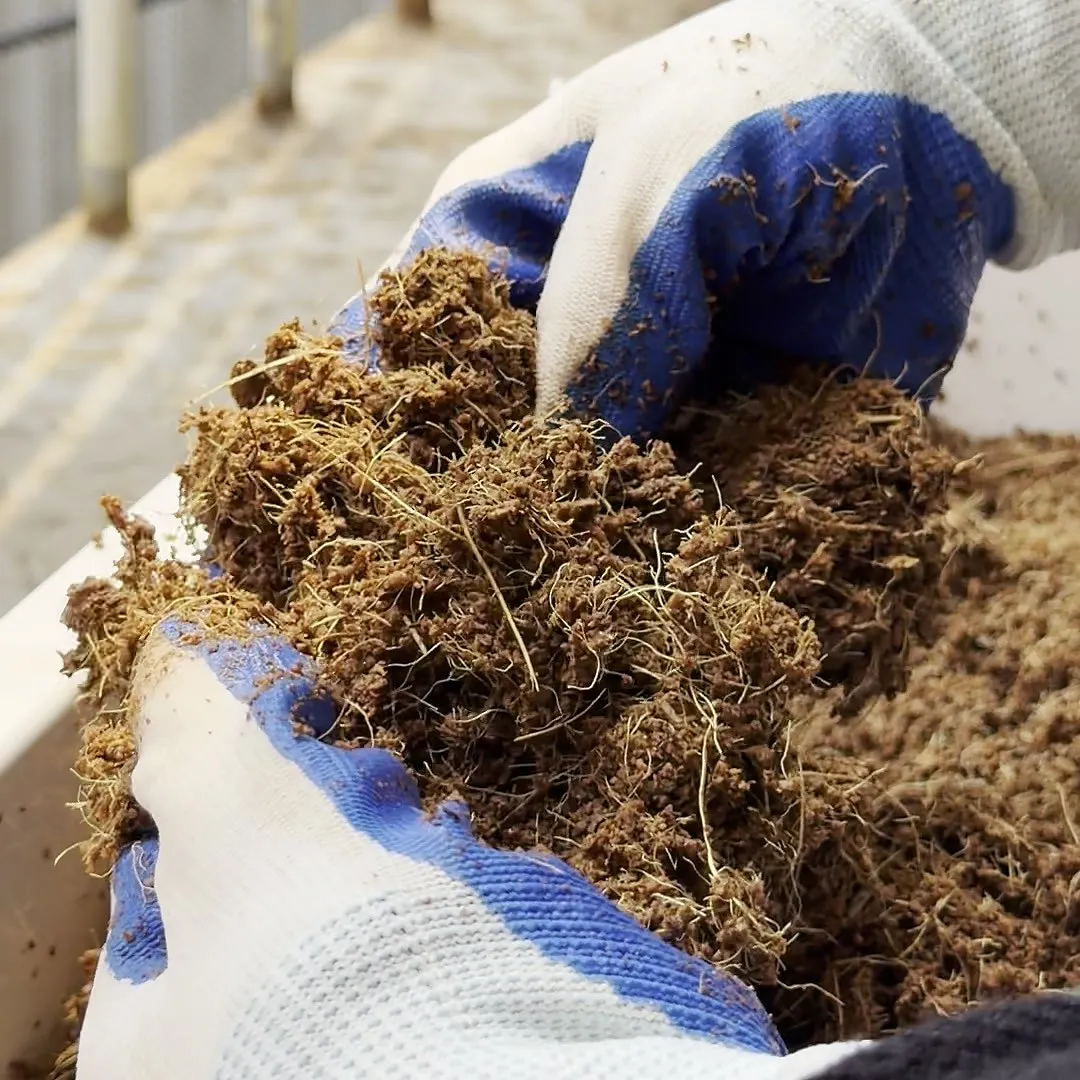
Step 3: Let it expand and break it apart
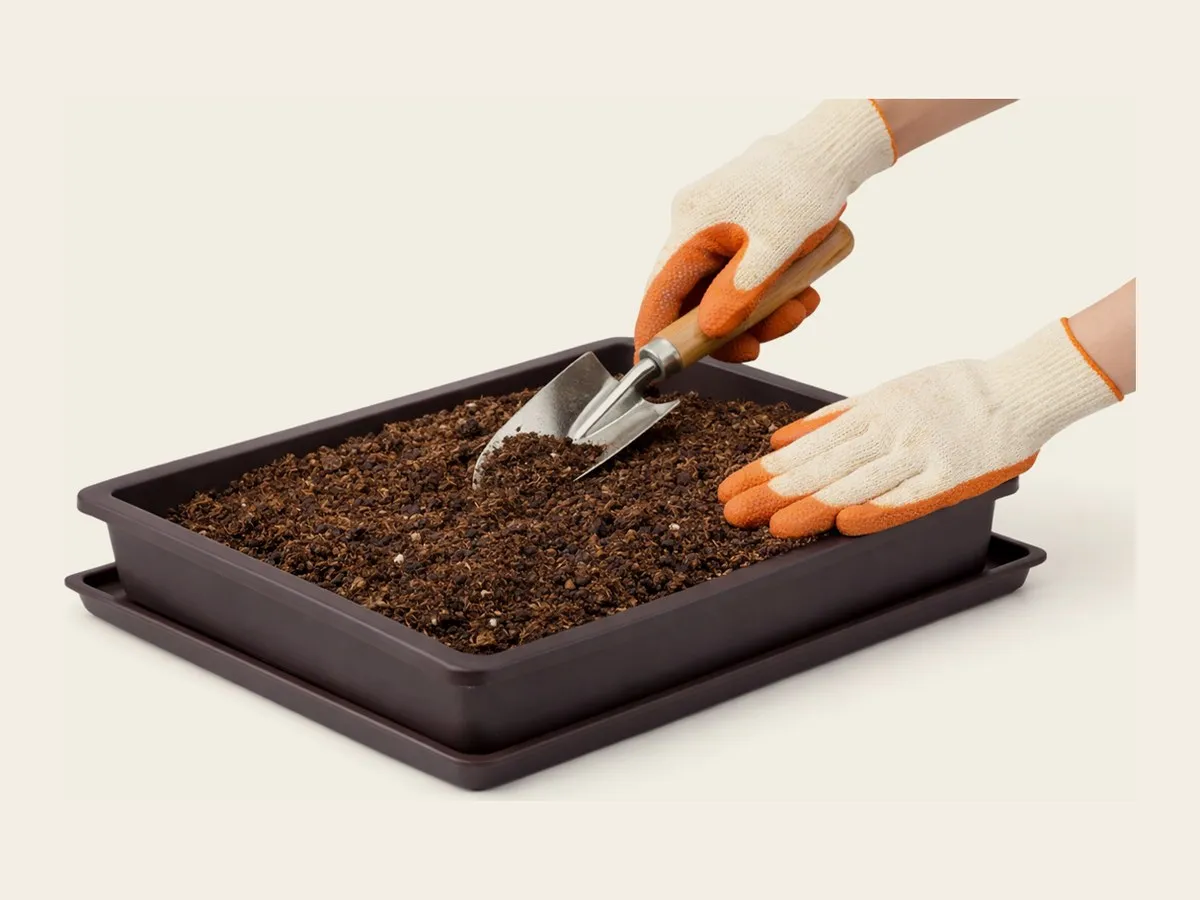
As the brick softens, use your hands or a garden trowel to gently loosen the material.
Break apart compressed sections and mix the coir so that moisture is distributed more evenly.
Continue until the material has a loose, workable texture. The time needed will depend on the brick’s size, compression, and the amount of water used.
Step 4: Check the moisture before use
Your expanded coir should feel evenly moist rather than waterlogged.
Squeeze a small handful gently. It should feel damp, without releasing a stream of water.
If it’s too wet, allow excess moisture to drain or let the material dry slightly before mixing it with other ingredients.
If it’s still dry or contains hard clumps, add a little water and mix again.
3 common mistakes to avoid
1. Using a container that’s too small
Compressed coir can expand substantially. Leave plenty of room for the material to loosen without spilling.
2. Adding too much water at once
Follow the package instructions and add water gradually. This makes it easier to achieve a workable moisture level.
3. Assuming coir is ready-to-use fertilizer
Coconut coir is a growing-medium ingredient, not a complete source of plant nutrients. Depending on your plants, you’ll need an appropriate potting mix and fertilization plan. Learn more about what coconut coir does for plants.
What can you do with expanded coco coir?
Once prepared, fine coir can be mixed with ingredients such as perlite, bark, or suitable compost, depending on your plants’ needs.
Use it to customize a container potting mix, prepare a tropical plant growing medium, or support other gardening projects.
For orchids and other plants that need a coarse root environment, consider a suitable chunky medium rather than using fine coir alone.
Watch it expand
Coir basics
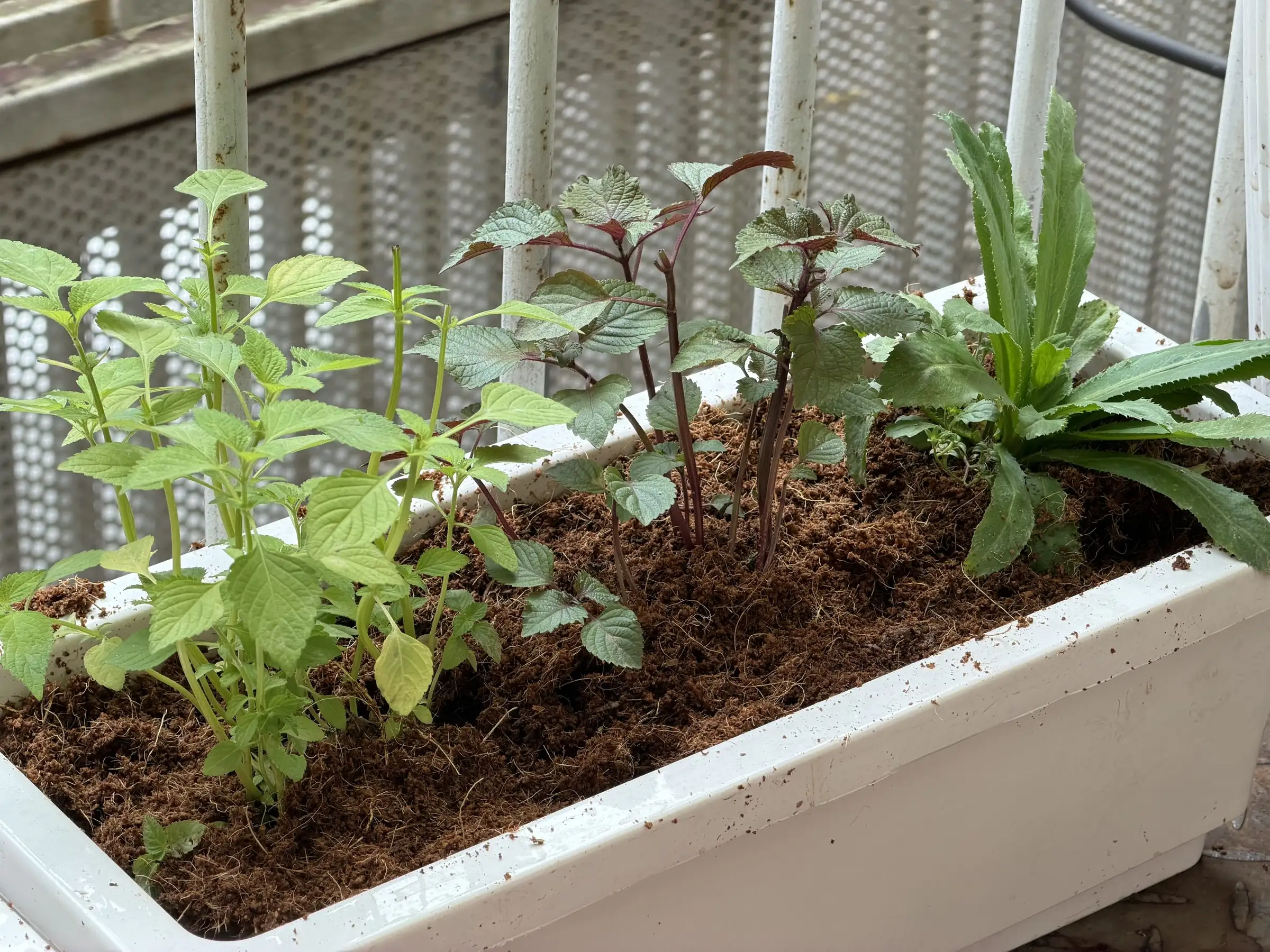
Coconut Coir for Plants: Benefits and How to Use It
What coconut coir is, the three main reasons gardeners use it, which plants benefit, and whether it can replace potting soil.
How-to
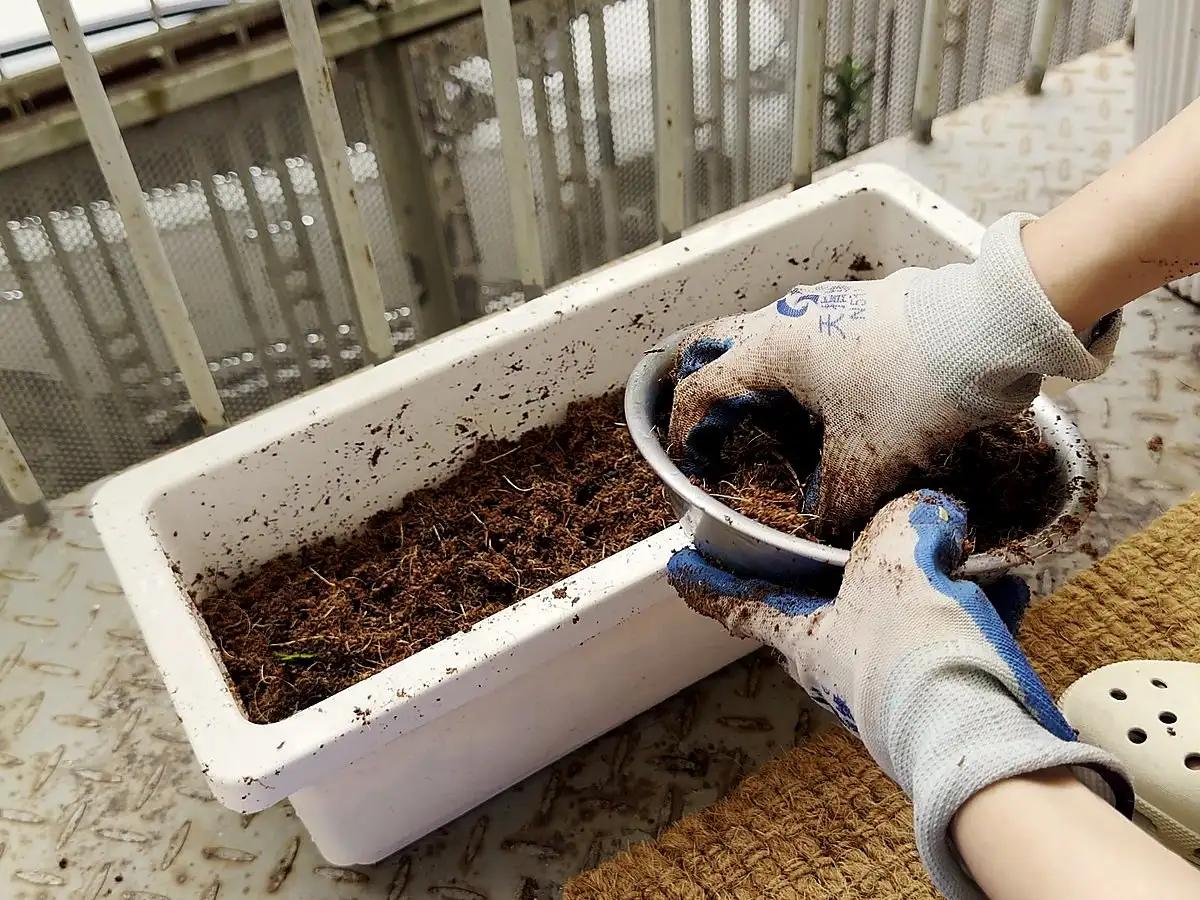
How to Make a Coconut Coir Potting Mix
Three simple starting mixes for houseplants, tropical plants, and orchids, plus how to tell when your mix needs adjusting.