
How-to
How to Make a Coconut Coir Potting Mix
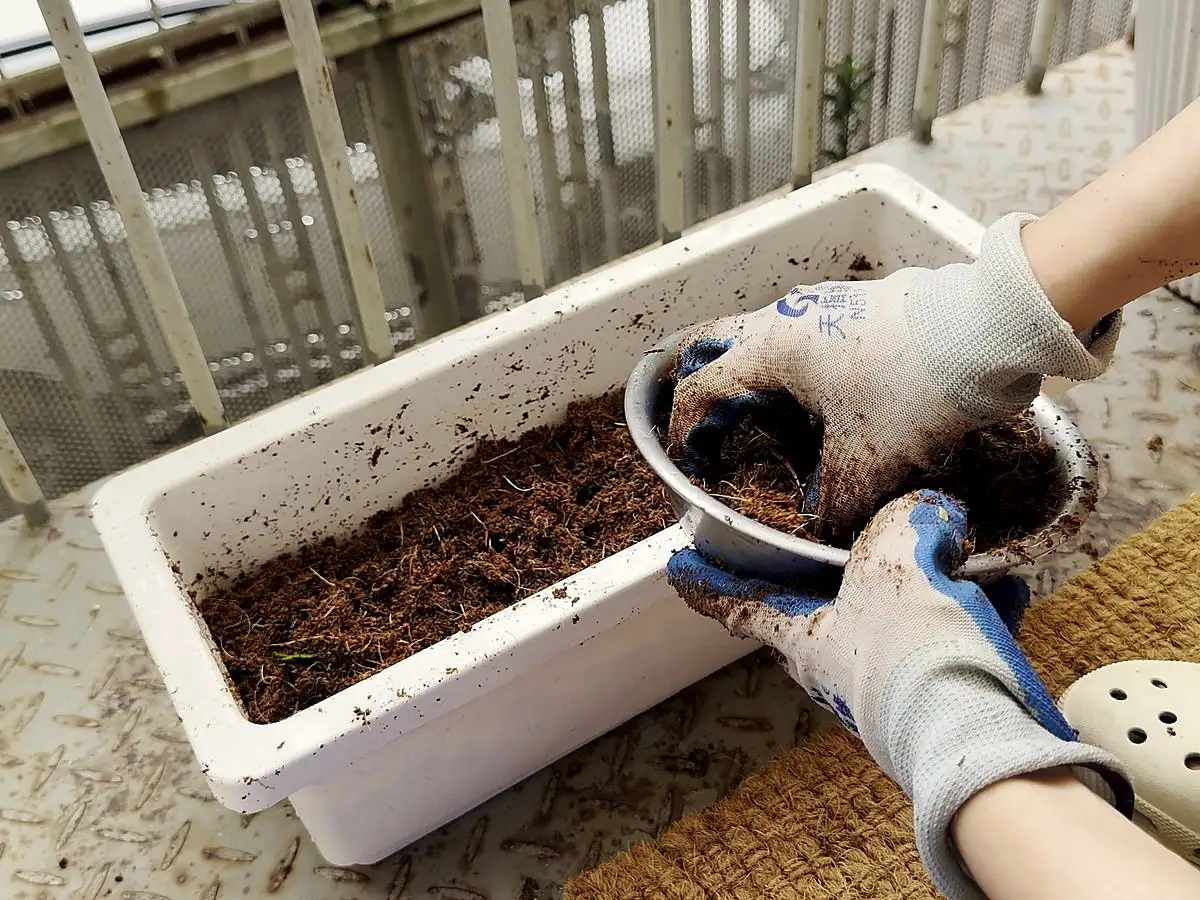
Healthy roots need the right balance of moisture, air, and nutrients. Coconut coir is a useful ingredient for building a potting mix that suits your plants and growing conditions.
Rather than using the same recipe for every plant, start with a simple base and adjust it to meet your garden’s needs.
Why use coconut coir in potting mix?
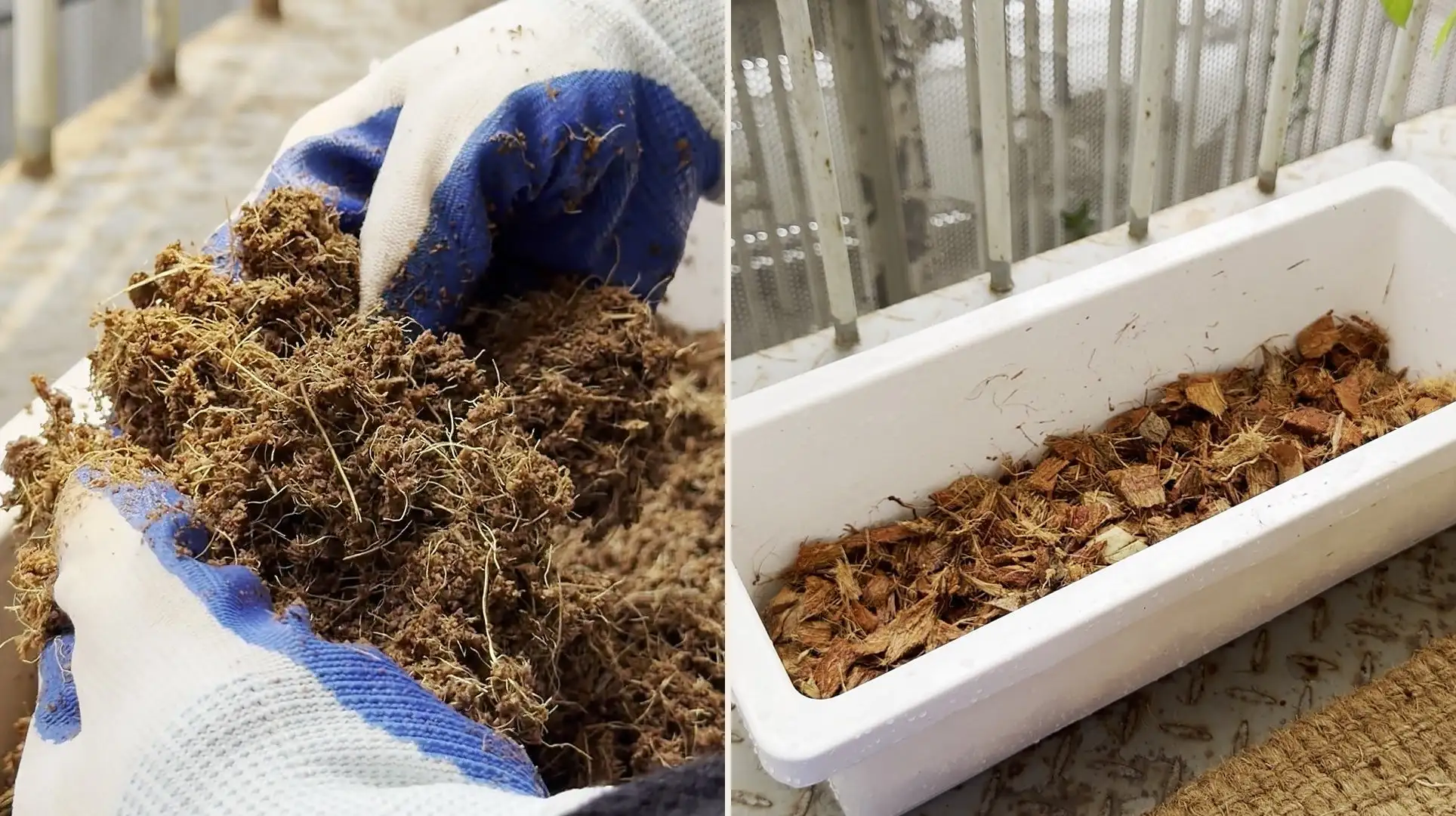
Coconut coir is made from coconut husks and is available in fine or chunky forms.
Fine coir absorbs and retains water, while larger coco chips create bigger air spaces within a growing medium. Both can be mixed with other ingredients to change the texture and moisture behavior of a potting mix. If you’re unsure which form you need, compare coconut coir and coco chips side by side.
Keep in mind that coir alone does not provide all the nutrients most plants need.
3 simple coconut coir potting mix ideas
These are starting points, not universal recipes. Use ingredients suitable for your plant species and adjust the mix based on how quickly it dries.
1. For general houseplants
Try combining:
- 2 parts fine coconut coir
- 1 part perlite
- 1 part finished compost, if suitable for the plant
Coir helps retain moisture, perlite adds air space, and compost can contribute nutrients.
For plants that prefer to dry out between waterings, increase the proportion of aerating material as needed.
2. For tropical plants
Try a mix containing:
- 2 parts coconut coir
- 1 part perlite or pumice
- 1 part appropriately sized bark
This combination can provide moisture retention while creating additional air spaces around the roots. Adjust the bark size and proportions to suit the plant.
3. For orchids
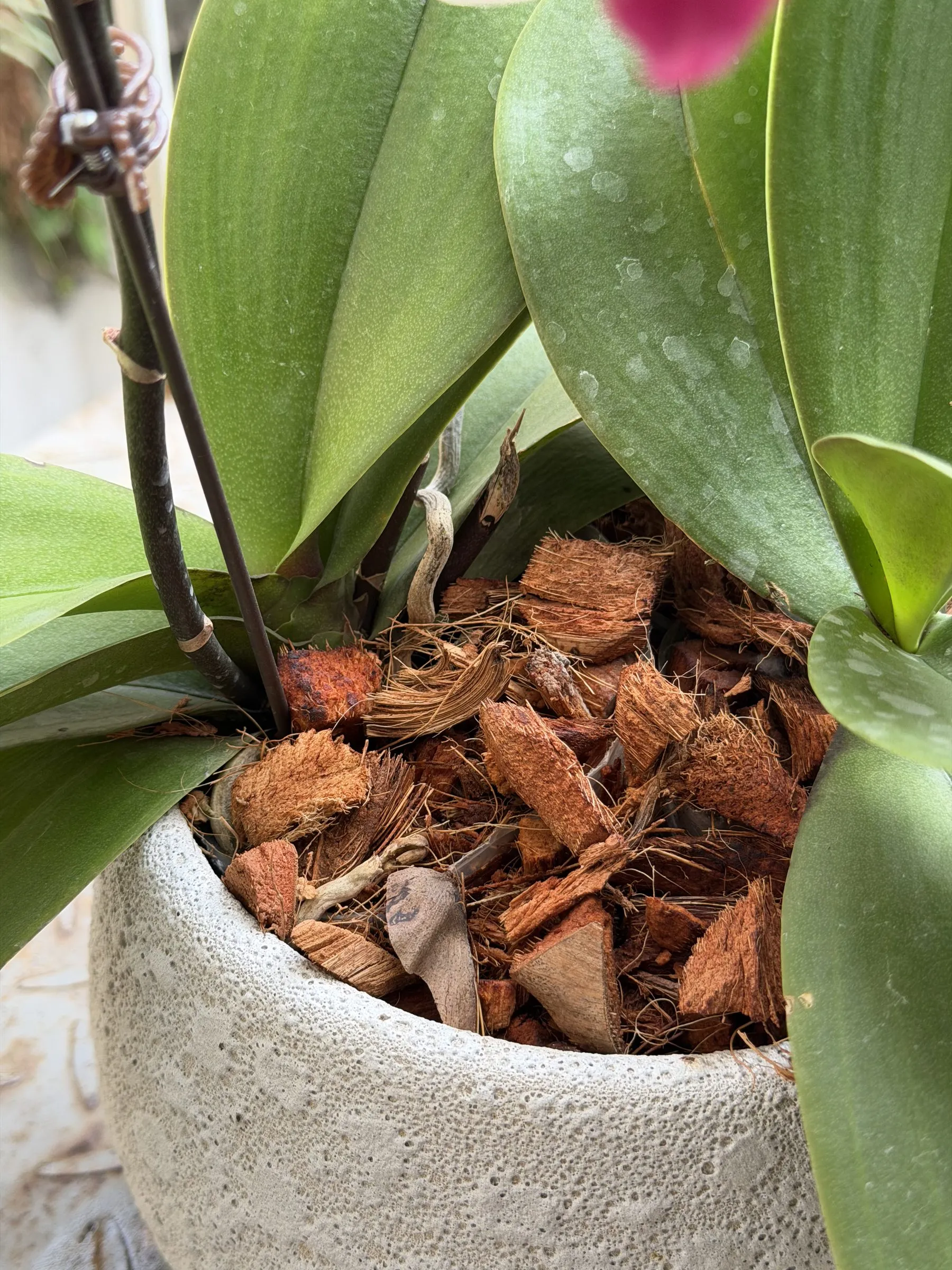
Many common epiphytic orchids, such as Phalaenopsis, need a coarse, well-aerated growing medium.
Consider a mix based on orchid bark with some coco chips. Use fine coir sparingly, if at all, when it would make the medium too dense or slow to dry.
Always match the mix to the orchid species and growing environment.
How to prepare your coconut coir
If you’re starting with a compressed brick:
- Place the brick in a container large enough to hold the expanded material.
- Add water gradually, following the product instructions.
- Allow the brick to soften and expand.
- Break apart the coir and remove any remaining compressed pieces.
- Mix it with your chosen ingredients.
The finished coir should be evenly hydrated, not dripping wet.
How to know if your mix needs adjusting
The mix stays wet for too long: Add more suitable aerating ingredients or reconsider the container and watering schedule.
The mix dries too quickly: Increase the moisture-retaining component if appropriate for the plant.
Growth appears weak: Check light, watering, root health, and nutrient availability before changing the mix alone.
A well-designed growing medium supports healthy roots, but it cannot replace proper light, nutrition, and plant care.
Coir basics
Coconut Coir for Plants: Benefits and How to Use It
What coconut coir is, the three main reasons gardeners use it, which plants benefit, and whether it can replace potting soil.
Comparison
Coconut Coir vs. Coco Chips: Which Should You Use?
Fine coir and chunky coco chips come from the same husk but behave differently. Here's how they compare, and which suits orchids.