
Comparison
How to Choose the Right Coconut Growing Medium
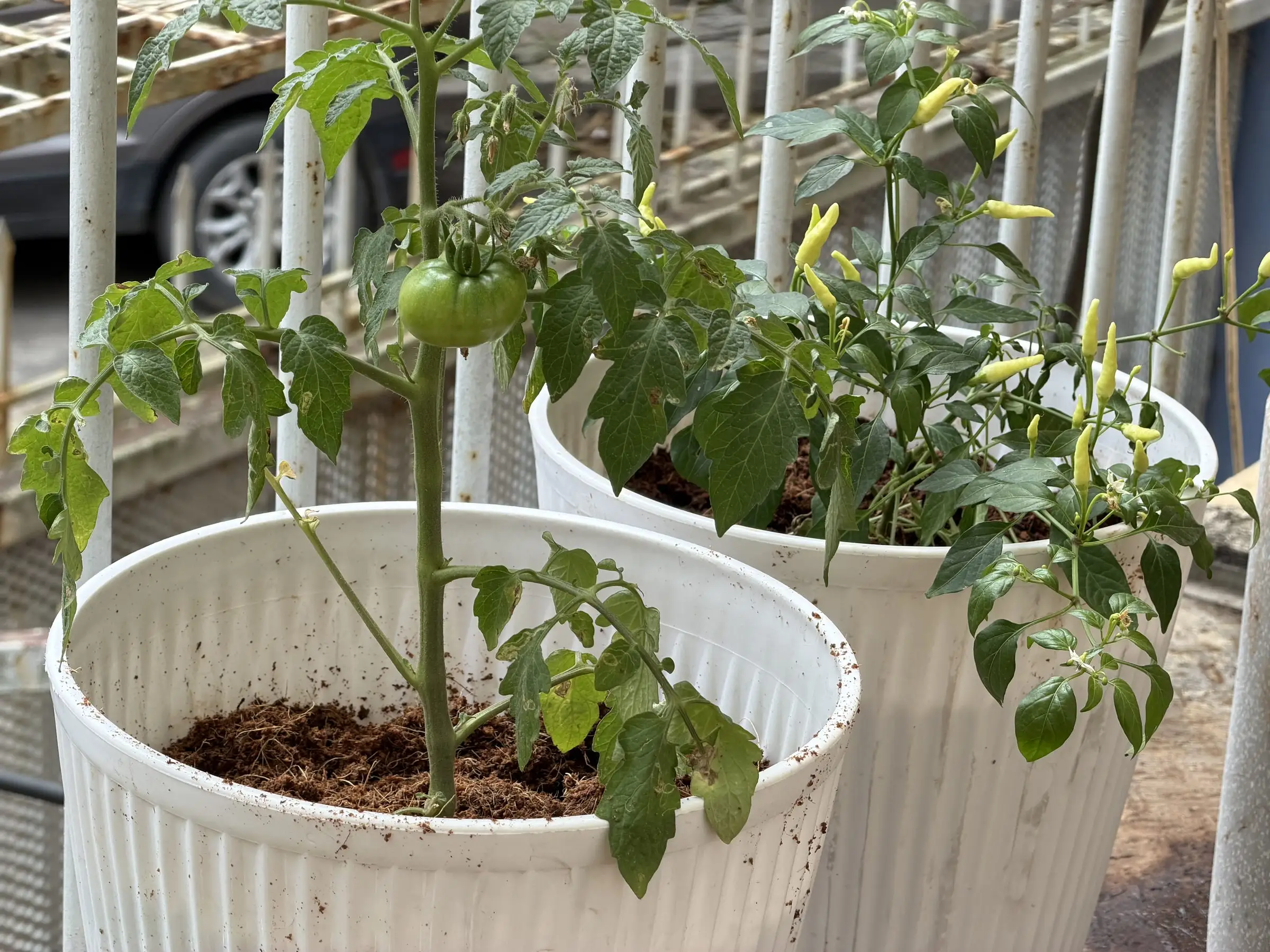
Choosing a growing medium can make a big difference to how you care for your plants. Some plants need a mix that holds moisture, while others grow better in a coarse medium with plenty of air space around their roots.
Coconut-based growing media offer several options, from fine coconut coir to chunky coco chips. Here’s how to choose a suitable starting point for your garden.
1. Start with your plant’s needs
Before buying a growing medium, consider three things:
- Moisture: Does your plant prefer consistently moist conditions or a mix that dries between waterings?
- Root environment: Does it need a fine potting mix or a coarse, airy structure?
- Growing setup: Are you growing in a small pot, a large container, or a specialized orchid pot?
Your answers will help narrow down the options.
2. Choose between fine coir and coco chips
Fine coconut coir
Fine coconut coir has a soft, fine texture and can absorb and retain water.
Consider it as an ingredient in potting mixes for houseplants, tropical plants, and other container-grown plants that benefit from moisture retention. Read more about the benefits of coconut coir for plants.
For many plants, blending coir with aerating ingredients can help create a more balanced medium.
Coco chips
Coco chips are larger pieces of coconut husk that create a chunkier growing medium.
Consider them for mixes where larger air spaces are desirable, including many common epiphytic orchid growing setups.
They can also be combined with other ingredients to customize the texture of a mix.
A blend of both
Using coir and coco chips together gives you another way to adjust moisture retention and structure.
The right proportions depend on the plant, chip size, container, and environment. There is no universal recipe for every garden. Our coconut coir vs. coco chips comparison covers the differences in more detail.
3. Match the medium to your plants
| Plant or growing project | A useful starting point |
|---|---|
| General houseplants | Fine coir blended with suitable aerating ingredients |
| Tropical foliage plants | Coir with perlite, bark, or other suitable components |
| Many epiphytic orchids | Coarse orchid bark or a suitable mix containing coco chips |
| Seed starting | A purpose-designed seed-starting mix that may contain fine coir |
| Custom container gardening | A blend adjusted to the plant’s moisture and nutrient needs |
These are general starting points. Always consider the specific plant species and its growing requirements.
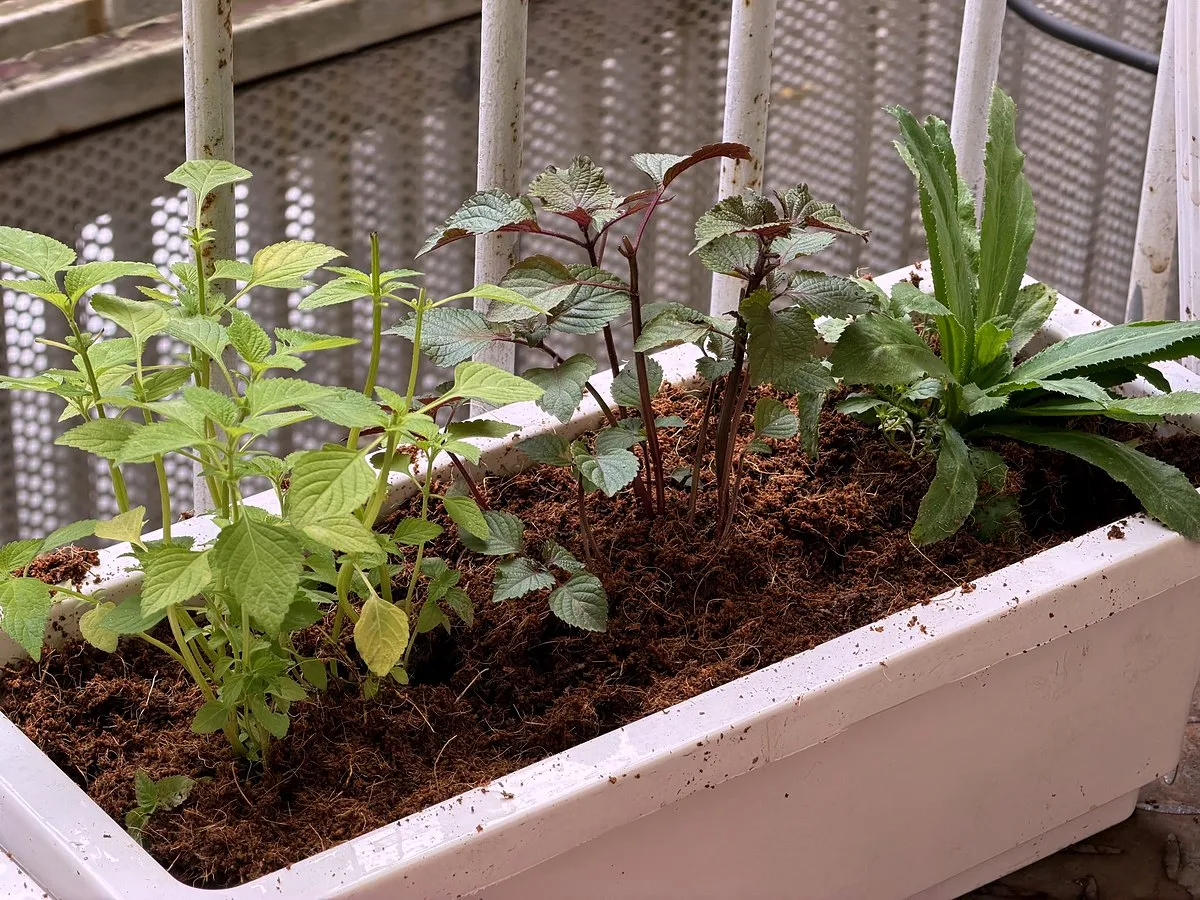
4. Don’t forget nutrients and watering
Coconut-based growing media are not automatically complete potting mixes.
Fine coir and coco chips generally need to be paired with an appropriate nutrient plan. Your plants may require fertilizer depending on the other ingredients in the mix and their growth stage.
Watering also matters. A moisture-retaining mix may need less frequent watering than a coarse, airy one, but actual drying time depends on the plant, pot, temperature, humidity, and airflow.
Check the medium before watering instead of following a rigid schedule.
5. Choose the right pack for your project
Once you know which material you need, think about how much you’ll use.
- Small projects: A smaller pack can be practical for a few houseplants or an occasional repotting job.
- Several pots: A larger pack may be more convenient if you regularly prepare your own potting mixes.
- Multiple growing projects: Consider whether you’ll use fine coir, coco chips, or both before selecting a bundle.
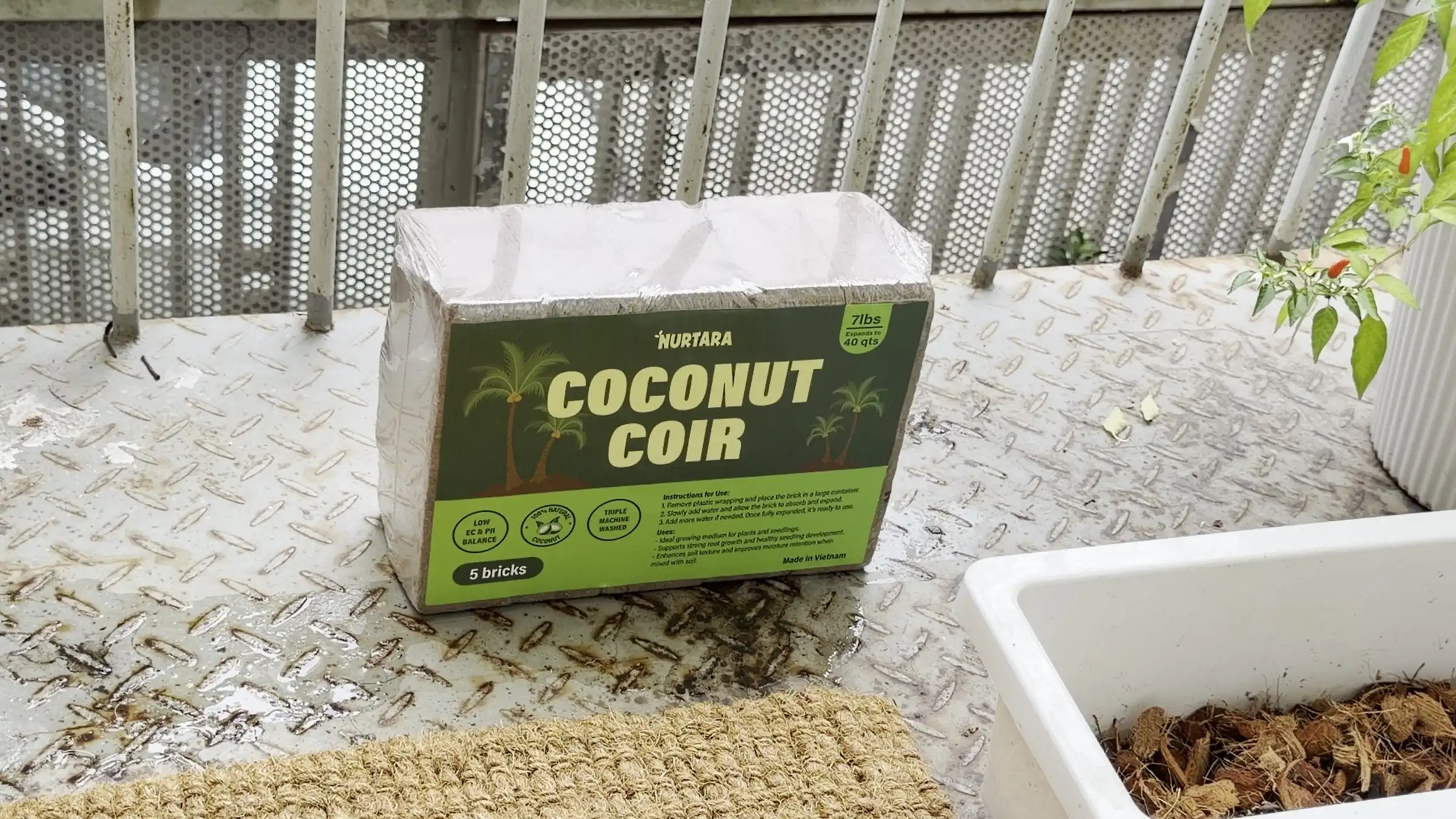
Compare the product description, weight, quantity, and intended use carefully so you know exactly what you’re ordering. Compressed bricks are easy to store until you need them; here’s how to expand a coco coir brick when the time comes.
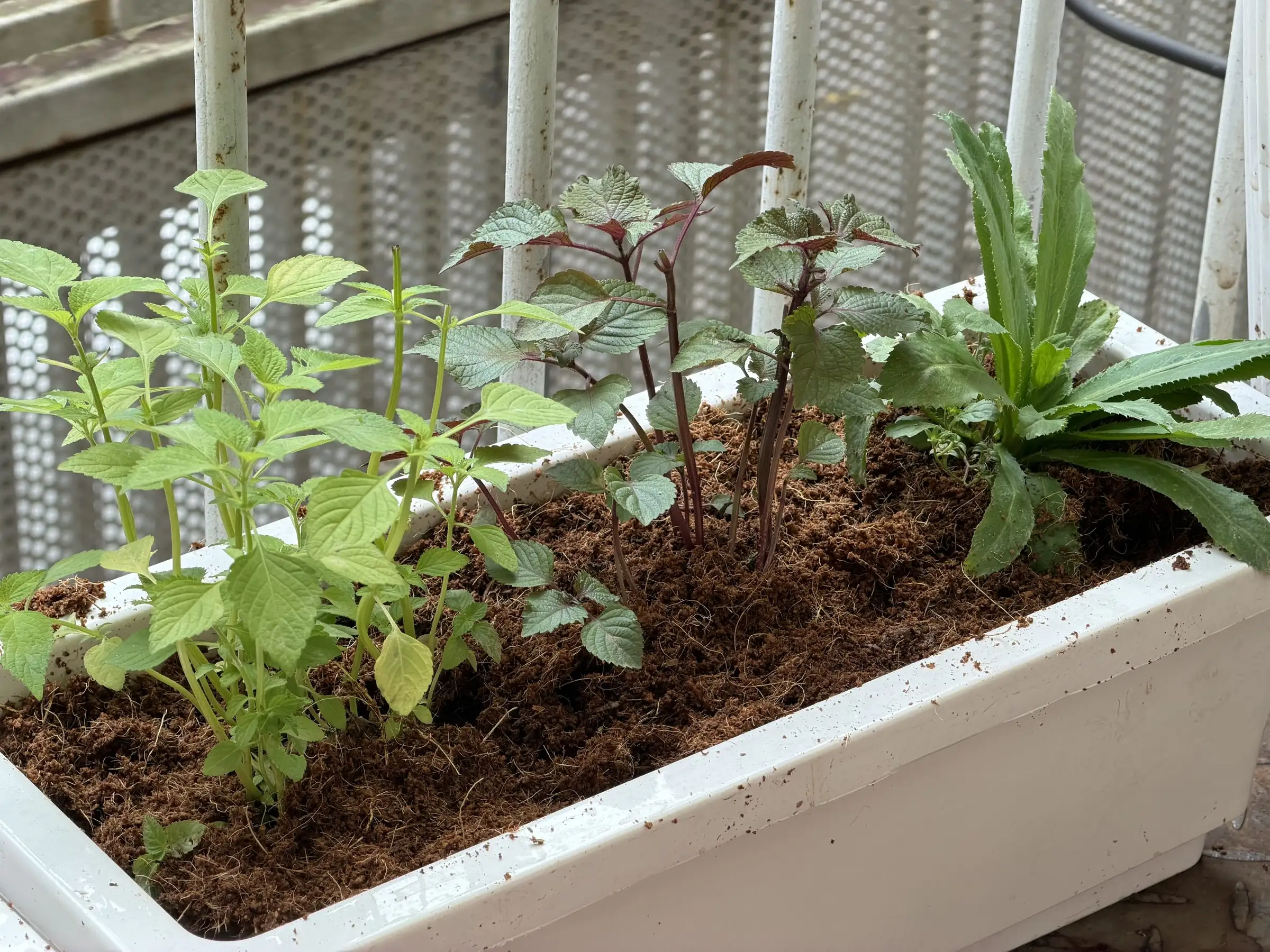
Coir basics
Coconut Coir for Plants: Benefits and How to Use It
What coconut coir is, the three main reasons gardeners use it, which plants benefit, and whether it can replace potting soil.
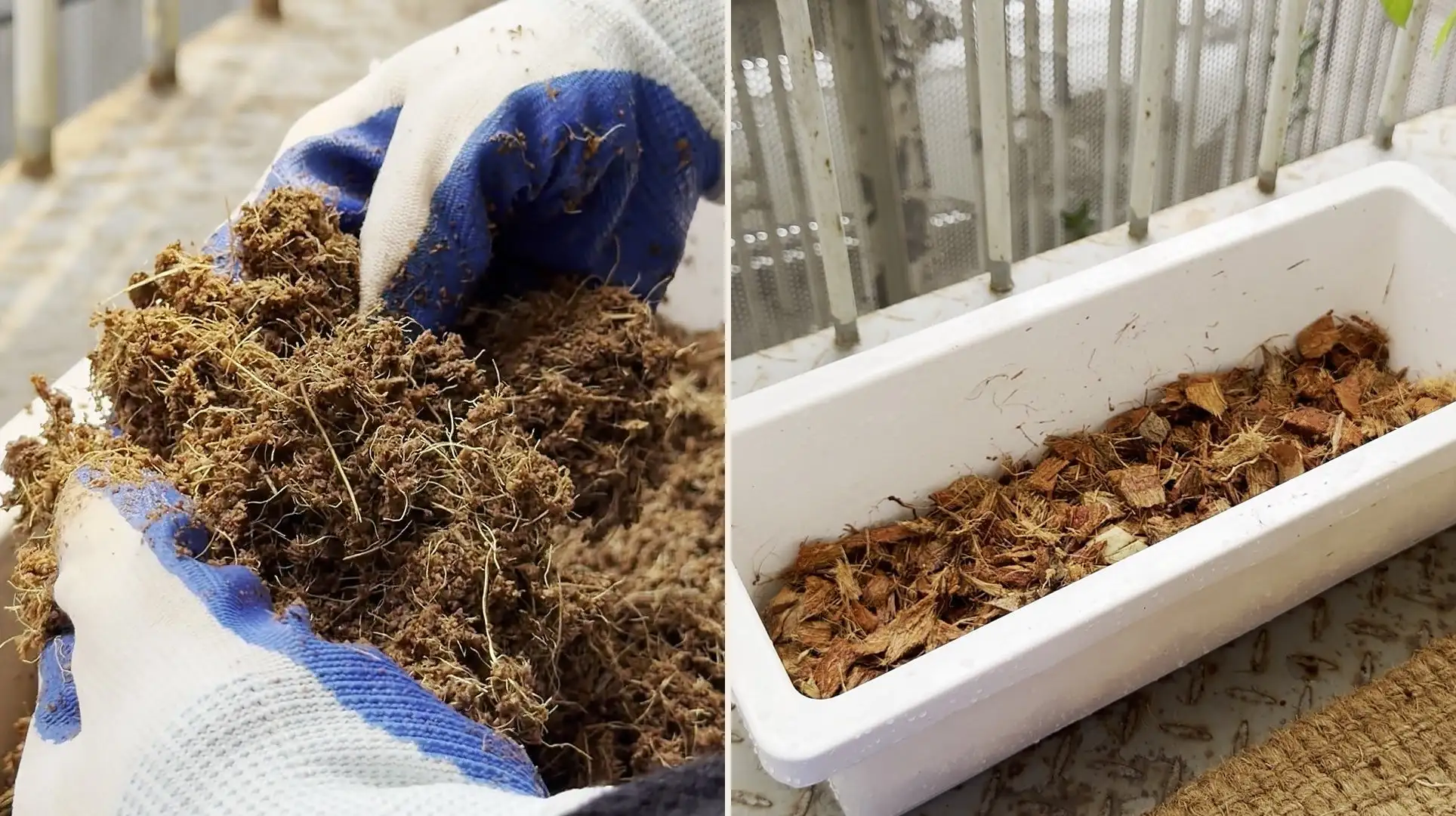
Comparison
Coconut Coir vs. Coco Chips: Which Should You Use?
Fine coir and chunky coco chips come from the same husk but behave differently. Here's how they compare, and which suits orchids.
How-to
How to Expand a Coco Coir Brick in 4 Easy Steps
Turn a hard, compressed brick into loose growing medium with a container and water, and avoid the three most common mistakes.